Electric vs. Manual Toothbrushes: Is the Upgrade Actually Worth It?
When you walk down the oral care aisle at your local pharmacy, the sheer number of options can be overwhelming. From simple plastic handles to high-tech, Bluetooth-enabled gadgets, choosing the right tool for your daily routine is a major decision. The debate between electric vs. manual toothbrushes is one of the most common topics patients bring up during their routine dental cleanings.
Are those motorized brushes truly superior, or can you achieve the exact same results with a standard brush and a little elbow grease?
As dental professionals, we rely on clinical evidence to guide our recommendations. In this comprehensive guide, we will break down the science of brushing, compare the effectiveness of different technologies, and help you decide if it is finally time to switch to an electric toothbrush.
Table of Contents
- The Foundation of a Healthy Smile
- Manual Toothbrushes: The Classic Choice
- Electric Toothbrushes: The Modern Upgrade
- Sonic vs. Oscillating: Understanding the Tech
- What Does the Clinical Research Say?
- Who Should Definitely Upgrade?
- The Environmental Dilemma
- Practical Takeaways for Better Brushing
- When to Visit a Dentist
- Frequently Asked Questions
Before comparing the tools, it is crucial to understand why we brush. The primary goal of toothbrushing is the mechanical disruption and removal of dental plaque. Plaque is a sticky, colorless biofilm composed of millions of bacteria that constantly forms on your teeth.
If plaque is not regularly removed, these bacteria feed on sugars in your diet and produce acids that erode tooth enamel, leading to dental caries (cavities). Furthermore, plaque accumulation at the gumline triggers an inflammatory response, resulting in gingivitis—the earliest stage of gum disease. Left untreated, this can progress to severe periodontitis, which can lead to tooth loss and has been linked to systemic health issues like heart disease.
Whether you use a manual or powered brush, the goal is the same: meticulously clean all exposed surfaces of your teeth to ensure optimal gum disease prevention.
The modern manual toothbrush has been a staple of Preventive Dentistry since the late 1930s.
The Pros of Manual Brushing
- Accessibility and Cost: Manual brushes are inexpensive, travel-friendly, and require no batteries.
- Control: You have complete control over the speed and pressure applied to your teeth.
- Effectiveness: When used with proper brushing technique (the Modified Bass technique, where the brush is held at a 45-degree angle toward the gumline in short, circular motions), a manual toothbrush is highly effective.
The Cons of Manual Brushing
- User Error: Studies show most people do not brush for the recommended two minutes, nor do they use the correct technique. Back-and-forth "scrubbing" can leave plaque behind and cause gum recession.
- No Built-In Timers: It is incredibly easy to overestimate how long you have been brushing without a timer
Clinical Tip:
Always choose a
soft-bristled toothbrush. Medium and hard bristles are associated with a higher incidence of gingival abrasion and enamel wear.
Electric toothbrushes automate bristle movements, meaning the brush does the hard work for you.
The Pros of Electric Brushing
- Built-in Timers: Most feature a two-minute timer with 30-second "pacer" intervals to ensure you spend equal time on every quadrant of your mouth.
- Pressure Sensors: Modern models alert you if you are pressing too hard, protecting your delicate gum tissue.
- Superior Plaque Removal: The rapid movements achieve thousands of strokes per minute—a physical impossibility with a manual brush.
- Ease of Use: They are highly recommended for individuals with limited manual dexterity, such as older adults or people with arthritis.
The Cons of Electric Brushing
- Cost: The initial investment is higher, and you must purchase replacement heads every three months.
- Maintenance: They require charging and careful cleaning to prevent mold buildup around the replaceable head.
When searching for the best toothbrush for plaque removal, you will generally encounter two main technologies:
- Oscillating-Rotating (OR): These brushes feature a small, round head that rotates back and forth rapidly. This motion mechanically breaks up chains of bacteria up to 5mm below the gumline.
- Sonic Toothbrushes: A sonic vs oscillating toothbrush comparison reveals a different mechanism. Sonic brushes vibrate side-to-side at incredibly high frequencies (around 31,000 strokes per minute). This rapid vibration mechanically sweeps away plaque and creates "dynamic fluid activity," whipping saliva and toothpaste into microbubbles that reach deep between teeth.
When evaluating electric vs. manual toothbrushes, dental professionals turn to evidence-based research.
According to a landmark systematic review published by the Cochrane Database of Systematic Reviews, powered toothbrushes proved clinically superior. The study evaluated 5,000 participants and found that after three months of continuous use, electric toothbrushes reduced plaque by 21% and gingivitis by 11% compared to manual brushes.
While manual brushes can be effective, the clinical consensus is that the automated action of an electric toothbrush reliably removes more plaque for the average user by eliminating human error.
While everyone can benefit from an electric brush, certain patients should strongly consider making the switch:
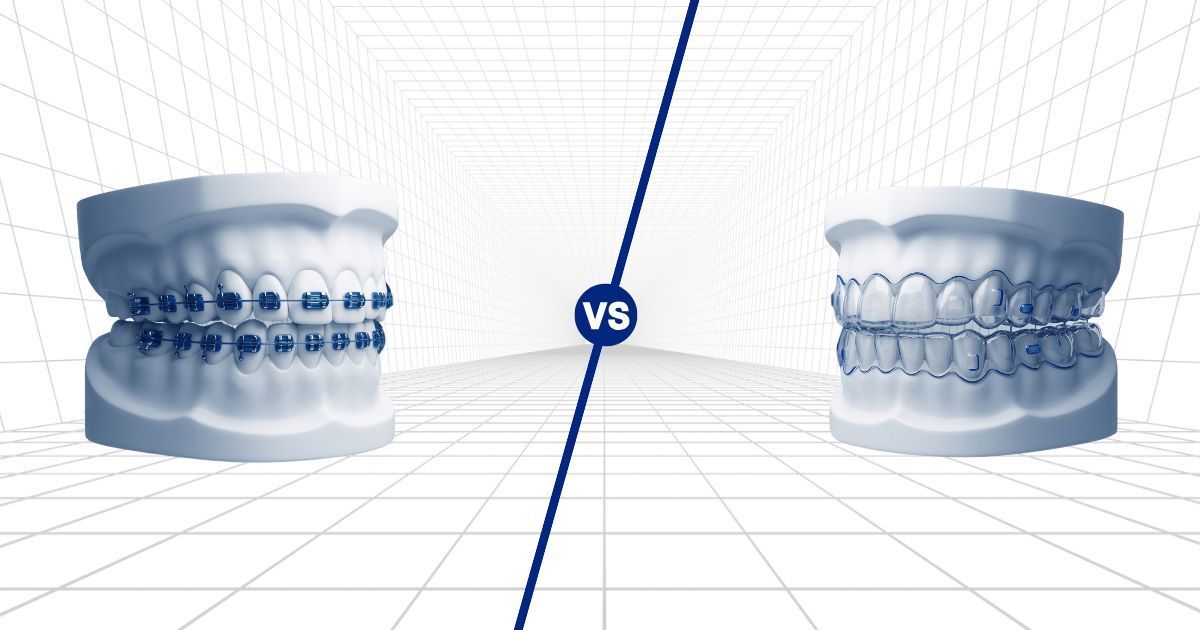
- Orthodontic Patients: Navigating around brackets and wires is notoriously difficult. Electric toothbrushes excel at clearing debris from dental hardware. If you are straightening your smile, consider Invisalign as a highly cleanable alternative.
- Aggressive Brushers: If your dentist has warned you about gum recession, an electric brush with a pressure sensor can literally save your smile.
- Patients with Restorations: If you have invested in Dental Implants or Dental Crowns, an electric brush helps maintain the pristine health of the surrounding gums.
Research indicates that electric toothbrushes have a significantly larger carbon footprint compared to manual plastic or bamboo toothbrushes. If sustainability is your primary concern, a manual toothbrush used with impeccable technique and a timer remains a highly viable, eco-friendly option.
Regardless of which tool you choose, these golden rules remain the same:
- Brush Twice a Day for Two Minutes: Time yourself.
- Use Fluoride Toothpaste: Fluoride is essential for remineralizing enamel.
- Wait After Acidic Meals: Wait at least 30 minutes after consuming coffee or citrus before brushing to prevent enamel wear.
- Replace Your Brush Head: Swap out your manual brush or electric head every 3 to 4 months.
- Do Not Forget to Floss: No toothbrush can clean the tight spaces between your teeth.
Your at-home routine is only half of the equation. Schedule a visit with your dentist if you experience:
- Gums that bleed when you brush or floss.
- Chronic bad breath.
- Tooth sensitivity to hot or cold foods.
- Visible tartar buildup, which can only be removed via a professional Dental Hygiene cleaning.
The American Dental Association (ADA) recommends visiting your dentist every six months for a routine checkup to ensure your mouth remains in optimal health.
Is the upgrade worth it? For most patients, yes. While a manual toothbrush is adequate when used with flawless technique, an electric toothbrush acts as an insurance policy for your smile. By taking the guesswork out of timing and pressure, it provides a superior clean that is clinically proven to reduce plaque. Investing in an electric toothbrush today could save you from costly restorative dental work in the future.
Will an electric toothbrush damage my gums?
No, it is actually safer for your gums if used correctly. Many models feature pressure sensors that alert you if you are pressing too hard. Let the brush do the work; do not scrub.
Do I still need to floss if I use a sonic toothbrush?
Absolutely. While sonic technology creates fluid dynamics that reach slightly below the
gumline, no toothbrush bristle can fully clean the tight contact points between your teeth
How often should I replace my electric toothbrush head?
Replace the brush head every 3 to 4 months. Frayed bristles lose their cleaning efficacy and can harbor harmful bacteria.
Can children use electric toothbrushes?
Yes! Electric toothbrushes are great for children, as built-in timers make brushing more engaging. Ensure you purchase a brush specifically designed for children with softer vibrations.
Does an electric toothbrush help whiten teeth?
It is highly effective at removing surface stains caused by coffee and food, making your smile appear brighter. For deep stains, you will likely need professional Teeth Whitening treatments.
Is it safe to use an electric toothbrush with braces?
Yes, it is highly recommended. Electric toothbrushes are much more efficient at clearing plaque and food debris from around orthodontic brackets than manual brushes.
References
Dental Textbooks
- Newman, M. G., Takei, H., Klokkevold, P. R., & Carranza, F. A. (2018). Carranza's Clinical Periodontology (13th ed.). Elsevier.
- Heymann, H. O., Swift, E. J., & Ritter, A. V. (2013). Sturdevant's Art and Science of Operative Dentistry (6th ed.). Elsevier.
Recent Research Articles
- Yaacob, M., Worthington, H. V., Deacon, S. A., Deery, C., Walmsley, A. D., Robinson, P. G., & Glenny, A. M. (2014). Powered versus manual toothbrushing for oral health. The Cochrane Database of Systematic Reviews, (6), CD002281. https://doi.org/10.1002/14651858.CD002281.pub3
- Kotsakis, G. A., Lian, Q., Ioannou, A. L., Michalowicz, B. S., John, M. T., & Chu, H. (2018). A network meta-analysis of interproximal oral hygiene methods in the reduction of clinical indices of inflammation. Journal of Periodontology, 89(5), 558–570. https://doi.org/10.1002/JPER.17-0368
Professional Organizations
Contact Us
407-706-3434
5220 Red Bug Lake Rd, Winter Springs, FL 32708
Related Posts