Blog
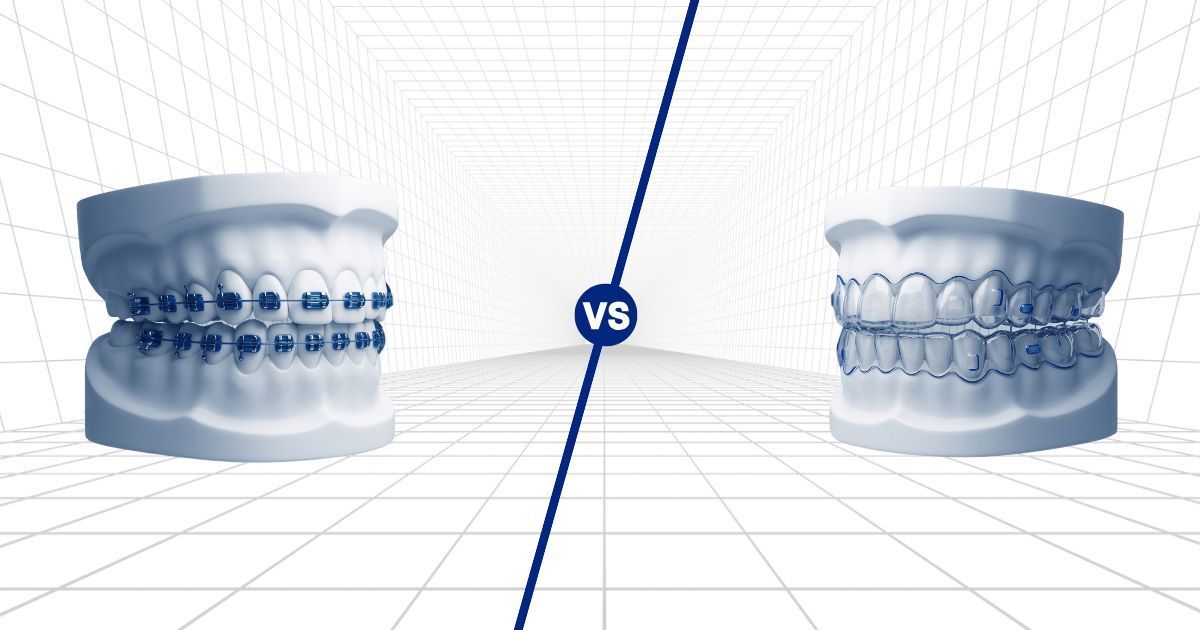
The demographic profile of orthodontic patients has undergone a significant transformation over the past two decades. Historically viewed primarily as a pediatric or adolescent intervention, orthodontic treatment is increasingly sought by adults aiming to correct functional bite issues, relieve jaw pressure, and improve dental aesthetics. According to data from the American Association of Orthodontists (AAO), an astounding 65 percent of adults do not have well-aligned front teeth, and currently, one in four orthodontic patients is an adult. This surge in adult orthodontics is largely attributed to advancements in clear aligner technology, which provides a highly discreet and lifestyle-friendly alternative to traditional metal appliances. For adult patients, the clinical decision between traditional fixed braces and clear aligner therapy—most notably the Invisalign system—requires a nuanced evaluation of biomechanical efficacy, treatment duration, financial investment, oral hygiene, and daily lifestyle impact. Furthermore, the ultimate success of either modality relies heavily on the diagnostic precision, training, and technological infrastructure of the providing dental practice.
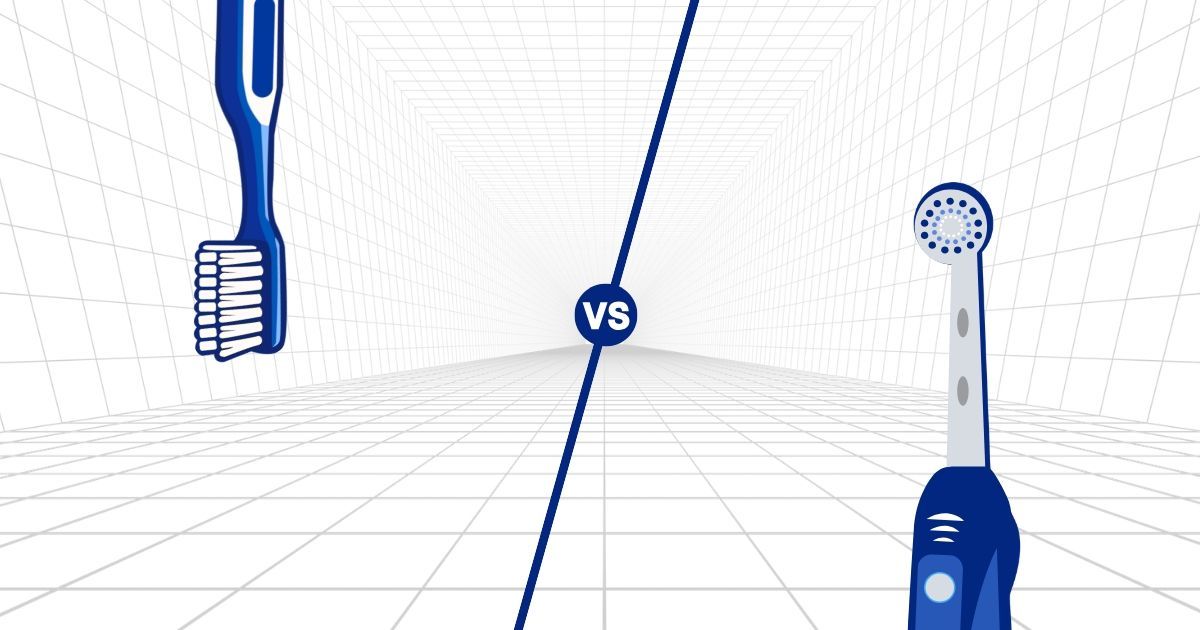
When you walk down the oral care aisle at your local pharmacy, the sheer number of options can be overwhelming. From simple plastic handles to high-tech, Bluetooth-enabled gadgets, choosing the right tool for your daily routine is a major decision. The debate between electric vs. manual toothbrushes is one of the most common topics patients bring up during their routine dental cleanings. Are those motorized brushes truly superior, or can you achieve the exact same results with a standard brush and a little elbow grease? As dental professionals, we rely on clinical evidence to guide our recommendations. In this comprehensive guide, we will break down the science of brushing, compare the effectiveness of different technologies, and help you decide if it is finally time to switch to an electric toothbrush.
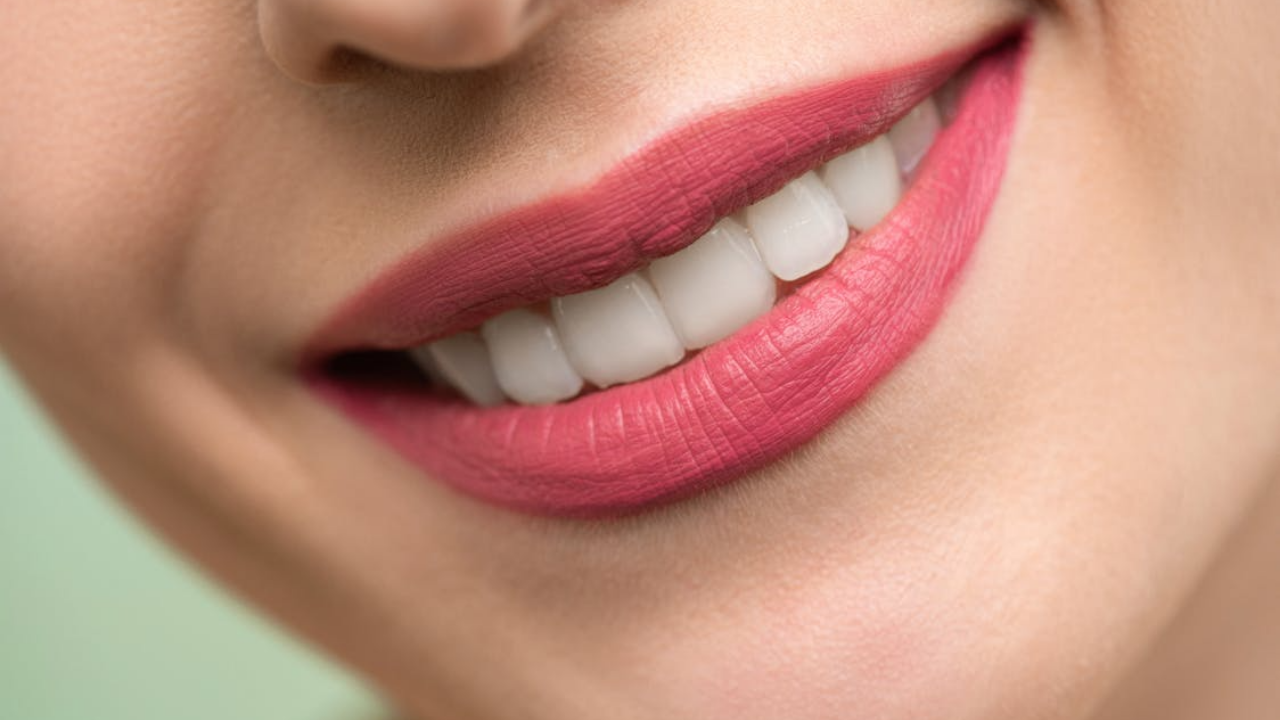
Thinking about improving your smile? Dental bonding is a quick, affordable fix for chips and stains. See the procedure, benefits, and aftercare essentials.